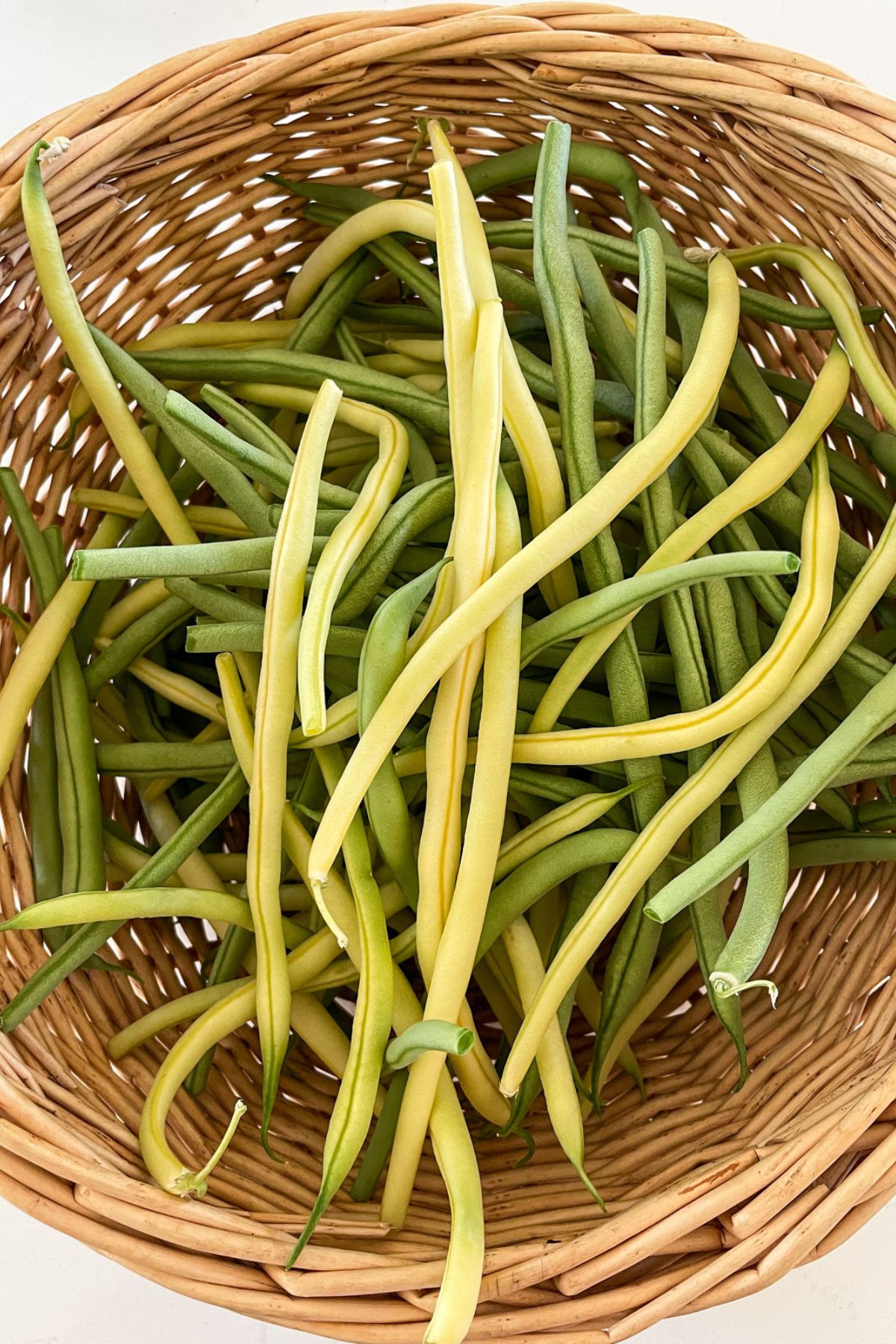
Freeze Green Beans: Blanch or Not? Your Ultimate Guide
The garden is overflowing, or perhaps you just scored an incredible deal on fresh green beans at the farmer's market. Now you're faced with a delightful dilemma: how to preserve this seasonal bounty? Freezing green beans is an excellent solution, locking in their vibrant flavor and nutrients for months to come. But as you ponder the task, one question inevitably arises, sparking a passionate debate among home preservers: to blanch or not to blanch?
The good news is, there's no single "wrong" or "right" answer when it comes to how to freeze green beans. Both methods—blanching and freezing raw—are perfectly safe and have their own distinct advantages and disadvantages. Your choice will ultimately depend on your priorities: how much time you have, how long you plan to store them, and your desired final texture. In this comprehensive guide, we'll dive deep into both approaches, offering step-by-step instructions, essential tips, and expert insights to help you decide which method works best for you, ensuring you enjoy garden-fresh goodness all year long.
The Great Debate: Blanching vs. No Blanching
Understanding the purpose behind blanching is key to making an informed decision about how to freeze green beans. Blanching is a quick, pre-freezing treatment involving a brief dip in boiling water followed immediately by an ice bath. It's not about cooking the beans through, but rather halting enzymatic activity.
The Case for Blanching Green Beans
- Better Long-Term Quality: Enzymes naturally present in vegetables cause them to ripen, age, and degrade. Freezing slows this process but doesn't stop it entirely. Blanching deactivates these enzymes, which helps preserve the beans' flavor, color, and nutritional value for a much longer period in the freezer.
- Superior Texture: Blanched green beans tend to retain a firmer, more desirable texture once thawed and cooked. Raw frozen beans can sometimes become softer or mushier after thawing.
- Vibrant Color: Blanching "sets" the chlorophyll, maintaining that beautiful bright green hue that makes green beans so appealing. Unblanched beans may develop a duller, more faded color over time.
- Cleaner Product: The blanching process can help cleanse the beans of any lingering surface bacteria or dirt.
While blanching is often recommended by food preservation experts for optimal long-term storage and quality, it does add an extra step and takes more time and energy.
The Case for Freezing Green Beans Without Blanching
- Time-Saving & Simplicity: If you're short on time or prefer a more straightforward approach, skipping the blanching step is incredibly appealing. It's a quick wash, trim, and freeze.
- Retains Raw Crunch (Initially): For those who might use raw frozen beans in specific recipes where a slightly different texture isn't an issue, or for very short-term storage, the raw method might be preferred.
- Perfectly Safe: It is perfectly safe to freeze green beans without blanching them first. The primary difference is in the quality, not the safety.
However, freezing green beans raw comes with a trade-off. Without enzyme deactivation, the beans are more prone to developing off-flavors, losing their vibrant color, and experiencing a softer texture, especially after a few months in the freezer. Therefore, freezing green beans raw is generally recommended for smaller batches you plan to use within 2-3 months.
Preparing Your Green Beans for Freezing: Freshness is Key!
No matter which freezing method you choose, the quality of your frozen green beans begins with the quality of your fresh ones. The freshest beans will yield the best results.
- Source Smart: Ideally, freeze green beans from your own garden, picked at their peak. Homegrown green beans are superior to most grocery store varieties, which may have been picked weeks before purchase. If you don't have a garden, seek out super fresh beans from a local farmer's market.
- Peak Freshness: Choose young, tender, and crisp beans. Avoid any that are overgrown, tough, stringy, or showing signs of yellowing or wilting.
- Act Fast: Try to freeze your green beans as soon as possible after harvesting—ideally within 1-2 days. If you need to store them briefly before freezing, keep them in a plastic bag in the refrigerator to maintain firmness.
- Wash Thoroughly: Rinse the green beans under cold running water to remove any dirt or debris.
- Trim & Snip: Snap or trim off both ends of each bean. You can leave them whole or cut them into smaller, bite-sized pieces (e.g., 1-2 inch lengths) depending on how you plan to use them. For versatility in soups, stews, and stir-fries, cutting them is often preferred.
- Dry Completely: This step is crucial for both methods. Excess moisture can lead to ice crystals and freezer burn. Use a salad spinner or lay them out on clean kitchen towels to air dry thoroughly.
Method 1: How to Freeze Green Beans with Blanching
For the best long-term quality and to ensure your green beans taste "garden fresh" up to a year later, blanching is the way to go. Here’s how to do it:
- Set Up Your Stations:
- Bring a large pot (5-6 quarts) of water to a rolling boil.
- Prepare an ice bath: Fill a large bowl with ice water (half ice, half water). This will immediately stop the cooking process.
- Blanch the Beans: Add the prepared green beans to the boiling water in small batches (about 1 pound at a time). Do not overcrowd the pot, as this will lower the water temperature too much.
- For classic water bath blanching, boil for 2-3 minutes.
- For steam blanching (using a steamer basket above boiling water), blanch for 3-5 minutes.
- Cool Rapidly: Using a slotted spoon or spider strainer, quickly transfer the blanched beans from the boiling water directly into the ice bath. This step is called "shocking" and is vital to stop the cooking and preserve color and texture. Cool for the same amount of time they were blanched.
- Drain and Dry: Drain the beans thoroughly from the ice bath. The more water you remove, the better. Lay them out in a single layer on clean kitchen towels or a baking sheet lined with paper towels to air dry completely. This might take 30 minutes to an hour.
- Flash Freeze (Optional but Recommended): For loose, non-clumped beans, spread the thoroughly dried, blanched beans in a single layer on a parchment-lined baking sheet. Place the sheet in the freezer for 1-2 hours, or until solid.
- Package and Store: Transfer the flash-frozen (or simply dried) beans into freezer-safe bags or rigid containers. Remove as much air as possible – a vacuum sealer is excellent for this, but pressing air out of freezer bags also works well. Label with the date. Blanched green beans can maintain optimal quality for 10-12 months in a properly sealed freezer. For more detailed insights on maximizing freezer life, check out Garden Fresh Forever: How to Freeze Green Beans for a Year.
Method 2: How to Freeze Green Beans Without Blanching
If you're in a hurry or only need to store your green beans for a shorter period, freezing them raw is a viable option. Here's how:
- Prepare the Beans: Wash, trim, and thoroughly dry your green beans as described in the "Preparing Your Green Beans" section above. This absolute dryness is even more crucial when skipping blanching.
- Flash Freeze (Recommended): To prevent the beans from clumping into a solid block, spread the completely dry, raw green beans in a single layer on a parchment-lined baking sheet. Place in the freezer for 1-2 hours until they are individually frozen solid. This makes it easier to grab just the amount you need later.
- Package and Store: Transfer the flash-frozen beans into heavy-duty freezer bags or airtight containers. The key here is to remove as much air as humanly possible to minimize freezer burn and quality degradation. A vacuum sealer is highly recommended for this method to extend their relatively shorter shelf life. Label clearly with the date. Unblanched green beans are best used within 2-3 months for optimal quality.
Packaging and Long-Term Storage Tips for Optimal Quality
No matter which method you choose, proper packaging is paramount to preserving the quality of your frozen green beans and preventing dreaded freezer burn. For a deeper dive into expert techniques, refer to Master Freezing Green Beans: Prep, Pack, & Store Expert Tips.
- Air is the Enemy: Air causes freezer burn, leading to dry, discolored spots and off-flavors. Use packaging designed for freezing.
- Freezer Bags: Heavy-duty freezer bags are excellent. Squeeze out as much air as possible before sealing. You can even use a straw to suck out the remaining air just before sealing the last inch.
- Vacuum Sealers: If you're serious about long-term storage and want to invest, a vacuum sealer is a game-changer. It removes virtually all air, drastically extending the freezer life and quality of your green beans.
- Rigid Containers: For blanched beans, rigid plastic containers or glass jars (leave headspace for expansion) can also be used, ensuring they are freezer-safe and airtight.
- Label and Date: Always label your packages with the contents and the date you froze them. This helps you rotate your stock and use older beans first.
- Maintain Freezer Temperature: Keep your freezer at 0°F (-18°C) or colder for optimal food preservation.
Cooking with Frozen Green Beans
One of the best things about having a stash of frozen green beans is their versatility. You can use them in countless dishes, often without even needing to thaw them first!
- Soups and Stews: Add frozen green beans directly to simmering soups or stews during the last 10-15 minutes of cooking. They will thaw and cook right in the pot, absorbing the flavors of the broth.
- Stir-Fries: Toss frozen green beans directly into your stir-fry pan. They might release a little extra moisture, so ensure your pan is hot.
- Casseroles: Frozen green beans are a classic addition to green bean casseroles. Simply add them in, allowing for a slightly longer baking time if they're particularly frosty.
- Simple Side Dishes: Steam, sauté, or roast frozen green beans. You can microwave them briefly to thaw slightly, then quickly sauté with garlic and olive oil, or roast them directly from frozen on a baking sheet at a high temperature (400-425°F or 200-220°C) until tender-crisp. Avoid overcooking to maintain their best texture.
Conclusion
Learning how to freeze green beans is a valuable skill that allows you to enjoy the fresh taste of summer throughout the colder months. Whether you choose the meticulous blanching method for superior long-term quality or the quick, raw freeze for immediate gratification, the most important thing is to start with the freshest produce and prepare it properly. By understanding the pros and cons of each approach and applying the packaging tips outlined above, you can confidently preserve your green bean harvest. So, embrace your inner food preserver, stock your freezer, and savor the deliciousness of green beans, garden-fresh, any time of year!
